Introduction
Tiger snakes (Notechis scutatus) are amongst one of the most remarkable yet feared reptiles located in Australia. With their striking look and potent poison, these snakes evoke a mixture of awe and care. Observing tiger serpents in their natural surroundings can be a thrilling experience for nature enthusiasts, wild animals professional photographers, and scientists alike. Nevertheless, it's critical to approach this venture with regard for the animal's environment and an understanding of safety measures to prevent serpent bites.
In this comprehensive overview, we'll check out how to safely observe tiger snakes in their all-natural habitat. We will cover topics ranging from recognizing their habits and habitats to emergency treatment for snake bites-- outfitting you with understanding to enhance your experience while reducing dangers.
What is a Tiger Snake?
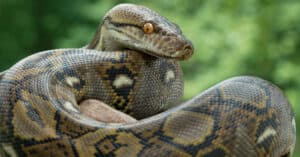
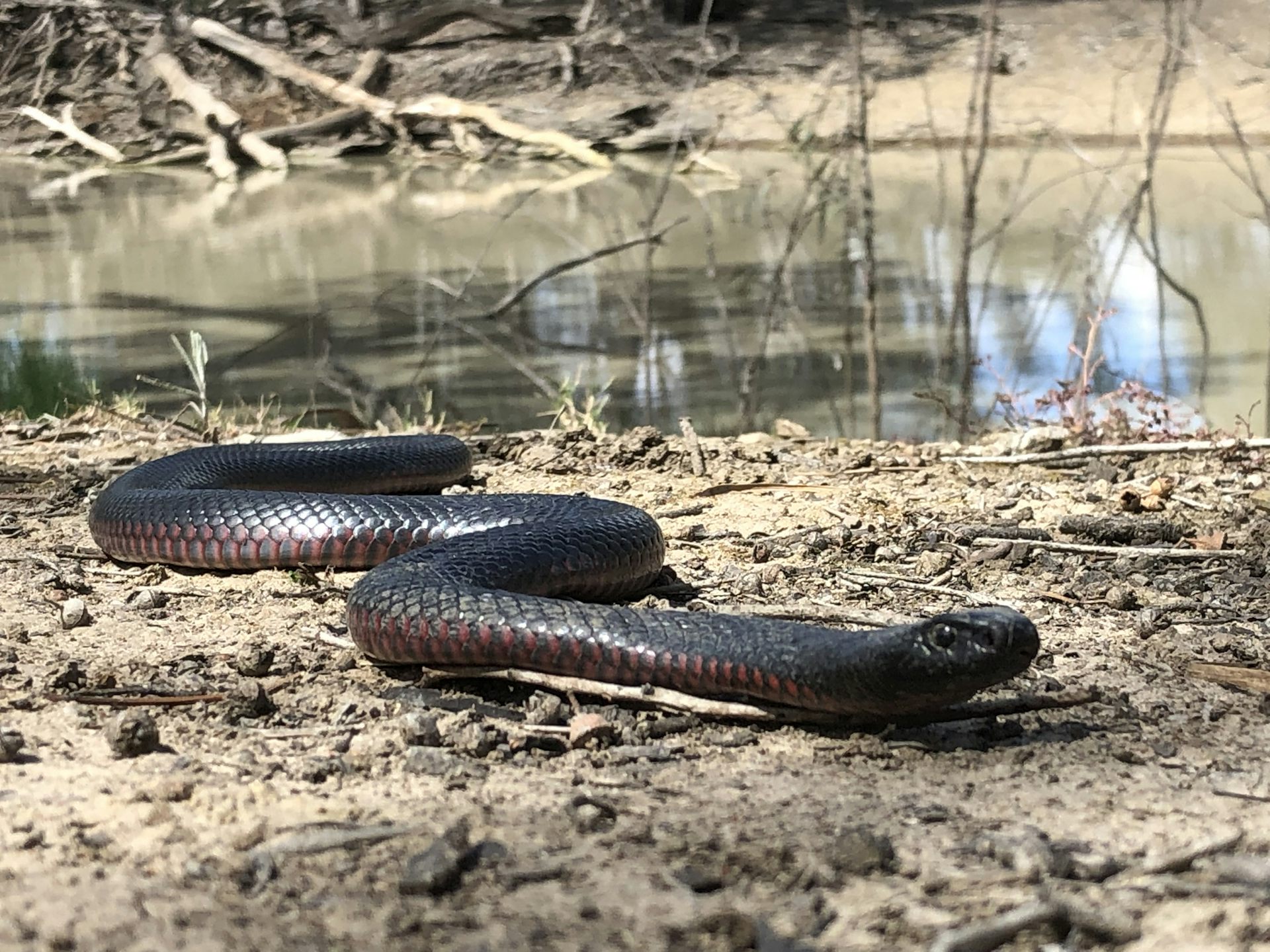
Tiger snakes are extremely venomous serpents native to Australia, particularly Tasmania and seaside regions. They are recognized for their distinctive grouped coloration appearing like a tiger's red stripes, which can range from yellowish-brown to dark brownish and even black.
Physical Characteristics
Tiger serpents are tool to large-sized serpents that can mature to 2 meters long. Their bodies are robust, and they have a wide head that is distinctly broader than their necks.
Habitat Preferences of Tiger Snakes
These reptiles normally populate wetlands, estuaries, and coastal regions but can additionally be found near freshwater sources like rivers and lakes. Understanding where these serpents live is crucial for any individual aiming to observe them safely.

Understanding Tiger Serpent Behavior
Are Tiger Snakes Venomous?
Yes, tiger serpents are among the most venomous serpent varieties internationally. Their poison contains neurotoxins that can bring about major clinical difficulties if bitten.
Behavioral Traits
Tiger snakes are usually timid creatures; they favor to stay clear of human communication. Nevertheless, they can become aggressive if threatened or caught.
Where Can You Find Tiger Snakes?
Tiger Snake Habitat Exploration
To securely observe tiger snakes in their all-natural habitat, it's crucial initially to identify where they thrive. They tend to favor:
- Coastal marshlands Mangroves Swamps Riverbanks
Best Places for Observation
Some suggested locations include:
- Tasmanian wetlands The shorelines of southern Australia National parks with water bodies
Safety Preventative measures Prior to Observing Tiger Snakes
Understanding the Threats of a Tiger Snake Bite
Although experiences with tiger serpents can be exhilarating, knowing the threats involved is paramount:
Recognize signs of a serpent bite: swelling at the site, pain emitting from the bite area. Know emergency situation contacts: Familiarize yourself with regional emergency situation services. Carry a first-aid package especially furnished for serpent bites.First Aid for Snake Bites: What You Need to Know
Knowing what steps to take if bitten might save your life or somebody else's:
- Stay calm; activity increases poison spread. Call for clinical assistance immediately. Do not use ice or effort suctioning.
How to Securely Observe Tiger Snakes in Their All-natural Habitat
When you decide to observe tiger serpents in the wild:
Dress Appropriately: Use lengthy trousers and durable boots. Use Binoculars: Maintain a safe range while observing these reptiles. Avoid Sudden Movements: Quick activities might startle them. Stay on Established Trails: Prevent roaming right into thick underbrush where presence is low.Equipment Needed for Observation
Essential Gear Checklist
- Binoculars First-aid kit specifically designed for serpent bites Field manual on Australian reptiles Camera (with zoom capacity)
Snake Bite First Aid Kit Essentials
A fully equipped emergency treatment kit need to include:|Thing|Purpose|| -------------------------------|-------------------------------|| Compression plaster|To immobilize the damaged area|| Antihistamines|For allergic reactions|| Emergency call numbers|Quick accessibility throughout emergencies|
Interpreting Tiger Serpent Signals
Understanding just how tiger snakes communicate with body language assists onlookers evaluate when it's secure or unsafe:
Common Behaviors
Defensive posture: If coiled or elevated off the ground. Retreating behavior: When they gradually pull back from possible threats.Dealing With Potential Encounters
Even with preventative measures taken, an encounter may still happen throughout your monitoring journey:
Remain calm; worrying only heightens risks. Slowly retreat without transforming your back on the snake. Make your presence understood verbally yet avoid sudden movements.Frequently Asked Inquiries Regarding Tiger Snakes
1. What need to I do if I see a tiger snake?
Remain calmness; observe from a range without disturbing it.
2. Are infant tiger snakes dangerous?
Yes, adolescent tiger serpents are born venomous and may posture risks comparable to grownups in spite of being smaller.
3. Exactly how typical are tiger serpent bites?
While occurrences occur annually in Australia, fatalities are rare due to prompt therapy availability.
4. Can I keep a tiger serpent as a pet?
Keeping wild tiger snakes as pet dogs is prohibited in numerous areas as a result of conservation laws.
5. What does a tiger snake bite look like?
Bite marks typically show two puncture wounds in addition to localized swelling and discoloration.
6. Just how reliable is antivenom?
Antivenom therapy is highly efficient when provided prompt after a bite.
Conclusion
Observing tiger serpents in their natural environment provides an exciting possibility for wild animals enthusiasts yet need to be Coastal Taipan come close to with caution and regard for both the creature and its setting. By arming on your own with expertise regarding these remarkable reptiles-- including understanding their habits and safety measures-- you can delight in memorable experiences while substantially lowering threats connected with encounters.
snake bite first aid treatmentIn recap, constantly focus on safety and security by preparing appropriately prior Nocturnal snakes Australia to starting any wild animals monitoring exploration-- especially when handling some of nature's most poisonous animals like the tiger snake!