Introduction
When it concerns the remarkable globe of snakes, couple of types capture the creative imagination rather like the child tiger serpent. Known for their distinct coloration and powerful poison, these snakes are an indispensable component of Australia's distinct ecological community. In this thorough post, we will certainly delve into various facets of child tiger snakes, including Snake venom potency Australia their actions, habitat, and exactly how to securely interact with them. Whether you're a wildlife lover or simply curious concerning these animals, understanding infant tiger snakes can aid promote a deeper admiration for nature.
Baby Tiger Snakes: What You Required to Learn About Their Habits and Habitat
What Are Baby Tiger Snakes?
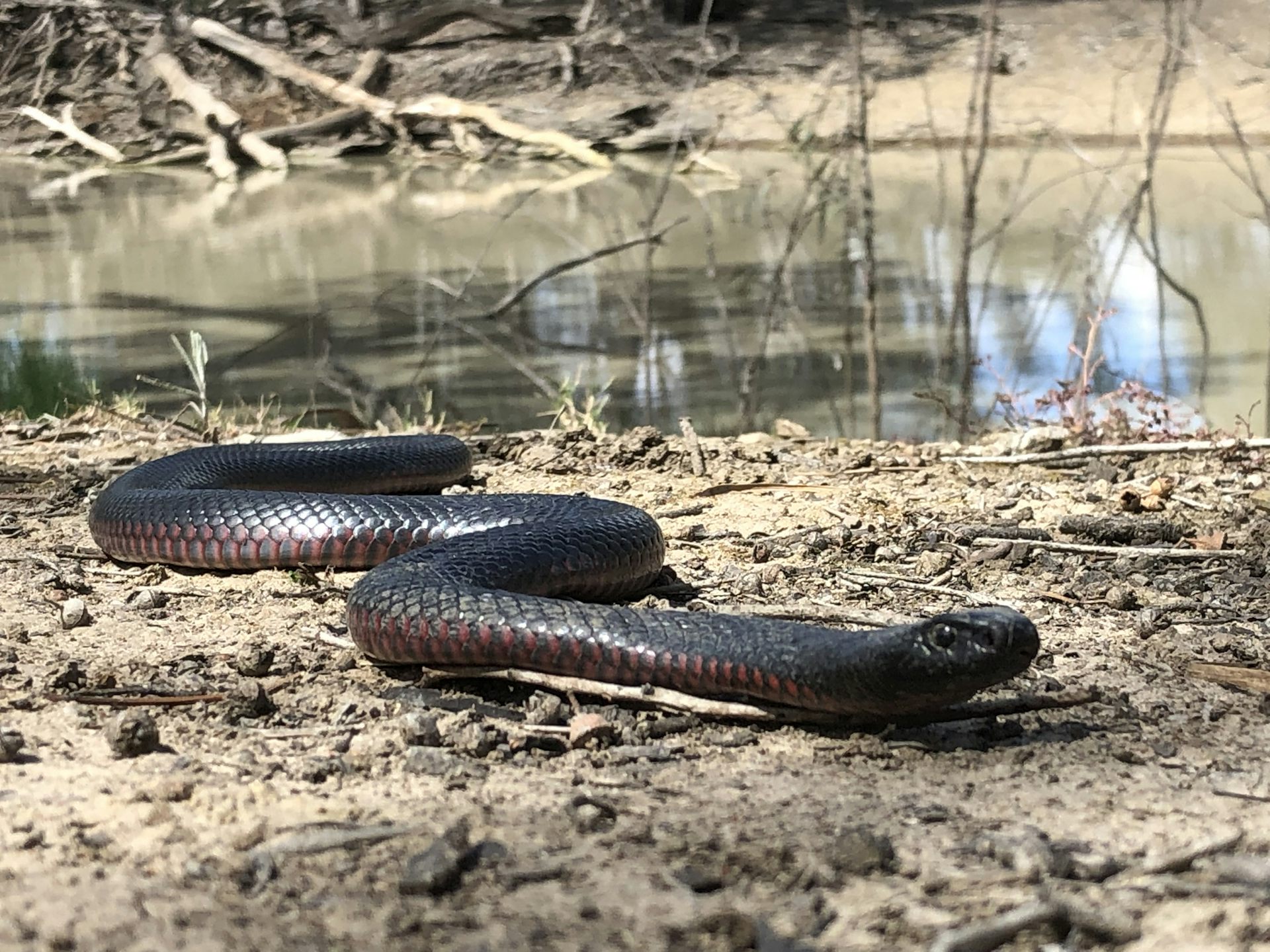
Baby tiger snakes are adolescent types of the highly poisonous species understood scientifically as Notechis scutatus These serpents are primarily found in coastal regions of Australia, particularly in Tasmania and southerly Victoria. As they expand, their coloration adjustments from a much more muted scheme to the characteristic yellow and black bands that give them their name.
One remarkable aspect of baby tiger snakes is their dimension; hatchlings commonly measure around 25-30 cm in size. Despite their tiny stature, they possess a surprising quantity of poison that can be detrimental to human beings if bitten.
Physical Characteristics
Tiger serpents possess numerous vital physical qualities:
- Coloration: The distinctive banding pattern frequently becomes extra pronounced as they mature. Size: Adults can reach sizes of as much as 2 meters. Body Shape: They have a robust body that assists in swimming and earthbound movement.
Where Do Baby Tiger Snakes Live? Understanding Their Habitat
Understanding the habitat choices of child tiger serpents is vital for both conservation initiatives and public security. These snakes flourish in numerous environments:
- Wetlands: Marshes and swamps supply enough searching grounds. Coastal Regions: Typically found near coastlines where they can quest for prey. Woodlands: Thick plants supplies cover from predators.
Geographical Distribution
Tiger serpents are mainly discovered along Australia's southerly coast, including:
- Tasmania: Home to one of the most notorious populations. Victoria: Particularly in locations near water bodies.
Are Tiger Snakes Venomous? A Deep Dive into Their Venom
One common concern arises when talking about infant tiger snakes: "Are tiger serpents venomous?" The solution is a definite yes!
Venom Composition
The poison of tiger serpents consists of neurotoxins that can create paralysis, coagulopathy (blood clotting issues), and potentially fatality if without treatment. Right here's what you require to recognize:
- Effects on Humans: An attack from a tiger serpent can cause symptoms like swelling, discomfort at the bite site, nausea, and even respiratory failure.
Comparison with Other Poisonous Snakes
In comparison to various other Australian snakes such as the eastern brownish snake or king brownish snake, tiger snake venom is taken into consideration amongst the most potent. Nevertheless, deaths are uncommon as a result of improved clinical therapies and accessibility to antivenom.
Behavioral Patterns of Infant Tiger Snakes
Understanding how child tiger snakes act is important for those who live in or go to locations where these reptiles are prevalent.
Nocturnal Habits
Most infant tiger snakes exhibit nighttime actions. They have a tendency to forage for food throughout cooler night temperatures. This versatility aids them avoid predators while boosting their hunting efficiency.
Hunting Techniques
Their hunting strategies consist of:
- Ambush Predation: Waiting inactive up until victim comes close. Active Foraging: Proactively moving via plant life or along rivers looking for food.
First Help for Serpent Bites: What You Ought to Know
Despite being fascinating animals, experiences with infant tiger snakes can lead to unsafe situations if attacks take place. Understanding emergency treatment procedures can conserve lives.
Immediate Steps After a Bite
Remain calmness; panic increases heart rate. Immobilize the influenced limb using a splint or bandage. Seek prompt medical interest-- antivenom may be necessary.Creating a Serpent Bite Emergency Treatment Kit
A well-prepared emergency treatment set should include:
|Item|Purpose|| ------------------------------|--------------------------------------|| Compression bandage|To incapacitate the arm or leg|| Splint|Stabilizes busted bones or joints|| Antihistamines|Reduces allergic reactions|| Emergency situation contact numbers|Quick accessibility during emergency situations|
Common Misconceptions Regarding Tiger Snakes Debunked
Many misconceptions border these intriguing reptiles; let's clear up some misconceptions generally held by people.
Myth # 1: All Tiger Snakes Are Aggressive
While some people might exhibit defensive behaviors when threatened, not all tiger snakes display hostility in the direction of humans unless provoked.
Myth # 2: Infant Tiger Snakes Are Less Dangerous Than Adults
This misconception can not be even more from the fact! Child tiger snakes contain nearly as much poison as grownups relative to their size; hence they pose significant risks if bitten.

FAQs Regarding Baby Tiger Snakes
What do infant tiger snakes eat?- They mostly take in tiny creatures, birds, frogs, and fish.
- Look for slim bodies with pale banding patterns that become more noticable as they mature.
- Yes! Birds of victim and larger reptiles may target them.
- Typically every couple of weeks as they grow rapidly during their very early life stages.
- While some people do maintain them unlawfully without authorizations due to their hazardous nature; it's typically not recommended given their poisonous status.
- With timely clinical therapy-- including antivenom-- the survival price is high!
Conclusion
In summary, recognizing child tiger serpents-- what they eat, where they live, just how they act-- can equip us with beneficial understanding about these exceptional yet dangerous animals. The importance of education surrounding first aid measures can not be overemphasized; understanding just how to react effectively after a bite might conserve lives while promoting respect for our slinking next-door neighbors within Australia's rich biodiversity spectrum.
By Inland Taipan valuing these snakes' duties within ecological communities-- and identifying prospective dangers-- we promote conjunction rather than fear-based reactions towards each other's Check out this site presence in nature's grand tapestry! Whether you're a serious walker pondering your following adventure or just curious concerning regional wild animals encounters near home-- this overview works as your relied on recommendation factor on the enigmatic globe occupied by our good friends-- the wonderful baby tiger snake!